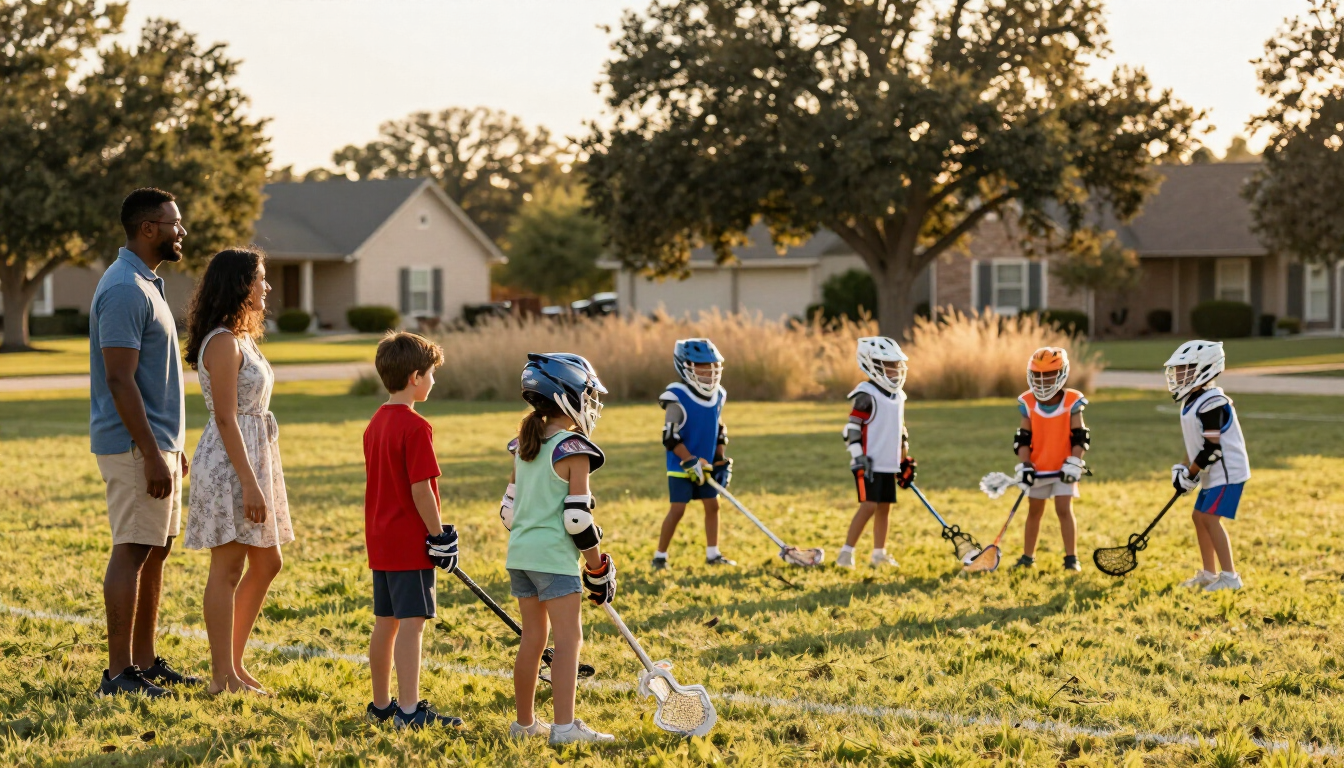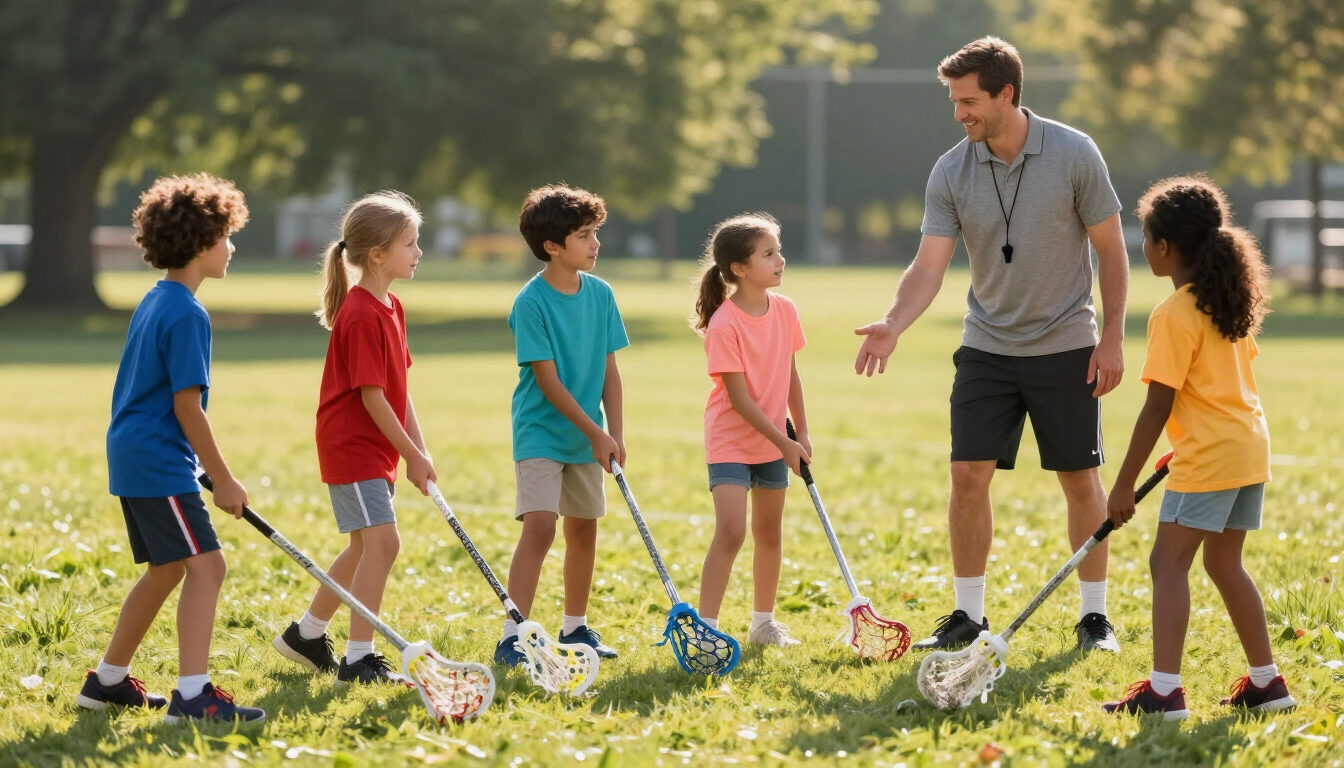


Lacrosse positions explained simply: field players attack, defend, or connect the two, while the goalie protects the net. Most K-8 players try several roles before finding a favorite. The best position depends on speed, confidence, passing, coordination, and whether your child enjoys creating goals, stopping them, or doing both.
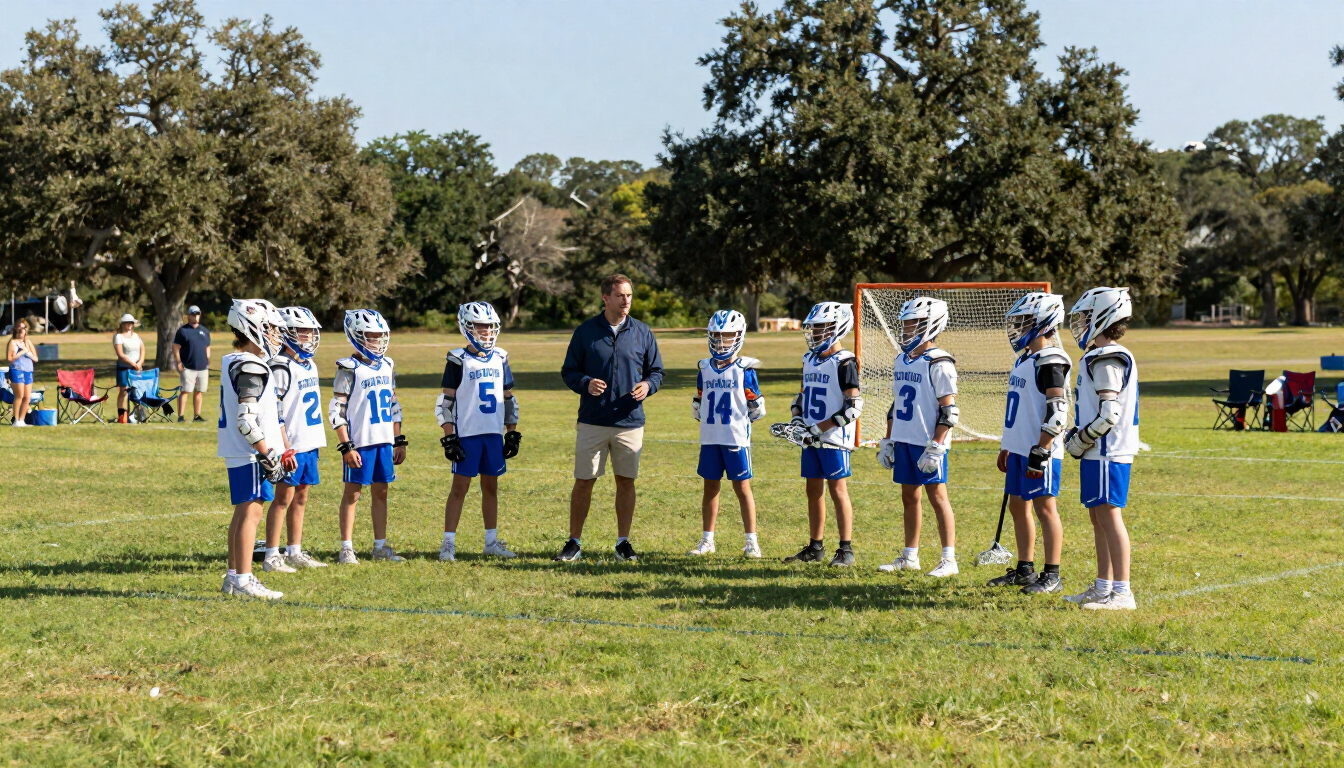
What are the main lacrosse positions?
Outdoor lacrosse has four basic roles:
- Attack: Creates scoring chances and finishes plays near the opponent’s goal.
- Midfield: Runs the length of the field, helping both offense and defense.
- Defense: Protects the team’s goal and prevents attackers from scoring.
- Goalie: Guards the net and organizes the defense.
Players may eventually specialize, but younger athletes should learn the fundamentals of every role. That variety builds better stick skills, field awareness, and teamwork—and keeps practice from feeling like a very sweaty job interview.
The rules and number of players can vary by age and league. Families can review the basics on our Rules page before the season begins.
What does an attack player do?
Attack players focus on offense. They work close to the opposing goal, move into open space, pass quickly, dodge defenders, and take accurate shots. A strong attack player is not simply the child who shoots hardest. Smart movement and good decisions usually matter more than launching the ball toward the net like a tiny cannon.
Typical attack responsibilities include:
- Cutting toward open space to receive a pass
- Protecting the stick while dodging a defender
- Passing to teammates in better shooting position
- Communicating where the ball should go next
- Recovering quickly when possession changes
Attack can suit players who enjoy creativity, quick decisions, and being involved in scoring plays. It also rewards patience. A great attacker may spend several seconds moving without the ball before creating the opening that matters.
What does a midfield player do?
Midfielders are the team’s connectors. They transition between defense and offense, often covering the most ground during a game. When the team wins the ball, midfielders help push forward. When possession changes, they sprint back to protect their goal.
Midfield is a good fit for energetic players who like variety and do not mind running. It helps to have endurance, awareness, and a willingness to make the unglamorous plays: chasing a loose ball, supporting a teammate, or getting back on defense before anyone notices.
In youth lacrosse, midfielders develop valuable all-around skills because they must pass, catch, defend, dodge, and understand space. Players who are not sure which position they prefer can start here and learn what parts of the game feel most natural.
How is defense different from attack?
Defense is about protecting space, disrupting plays, and helping the goalie. Defenders mark opposing attackers, communicate with teammates, block passing lanes, and use legal stick checks and positioning to make scoring difficult.
Good defense is active—not just standing between an opponent and the goal. Defenders watch the ball and their assigned player, move their feet, and stay ready to support a teammate. Communication is especially important because quiet defense is often confused with invisible defense. The other team is happy to solve that mystery for you.
Defensive players often enjoy strategy, physical movement, and helping the team succeed without needing to score. A well-timed ground-ball pickup or smart slide can be just as important as a goal.
What does a lacrosse goalie do?
The goalie protects the net, stops shots, directs defensive communication, and often starts the next attack with a clear pass. Goalies need courage, focus, hand-eye coordination, and a willingness to occasionally become the center of attention when a very enthusiastic shooter tests the net.
A goalie’s responsibilities include:
- Tracking the ball through traffic
- Calling out defensive assignments
- Stopping shots with the stick or body positioning
- Securing rebounds so opponents cannot shoot again
- Passing safely to begin a transition
Goalie is a specialized position, but younger players should not feel pressured to commit immediately. Trying goalie during a practice can build confidence and teach every teammate how difficult—and impressive—the position is.
Which lacrosse position is best for my child?
There is no universal “best” lacrosse position. The right fit depends on a child’s interests, physical development, comfort level, and changing experience. At K-8 ages, coaches should prioritize learning and exploration over permanent labels.
Consider these starting points:
- Loves scoring and creativity: Try attack.
- Enjoys running and variety: Try midfield.
- Likes strategy and stopping plays: Try defense.
- Enjoys focus and high responsibility: Try goalie.
- Is still deciding: Rotate through positions.
Speed, size, and strength can influence a role, but they should not be treated as fixed requirements. Children grow at different rates. A player who seems better suited to defense this season may become an excellent midfielder next year.
The most useful question is not, “Which position looks impressive?” It is, “Where does my child feel engaged, supported, and excited to improve?”
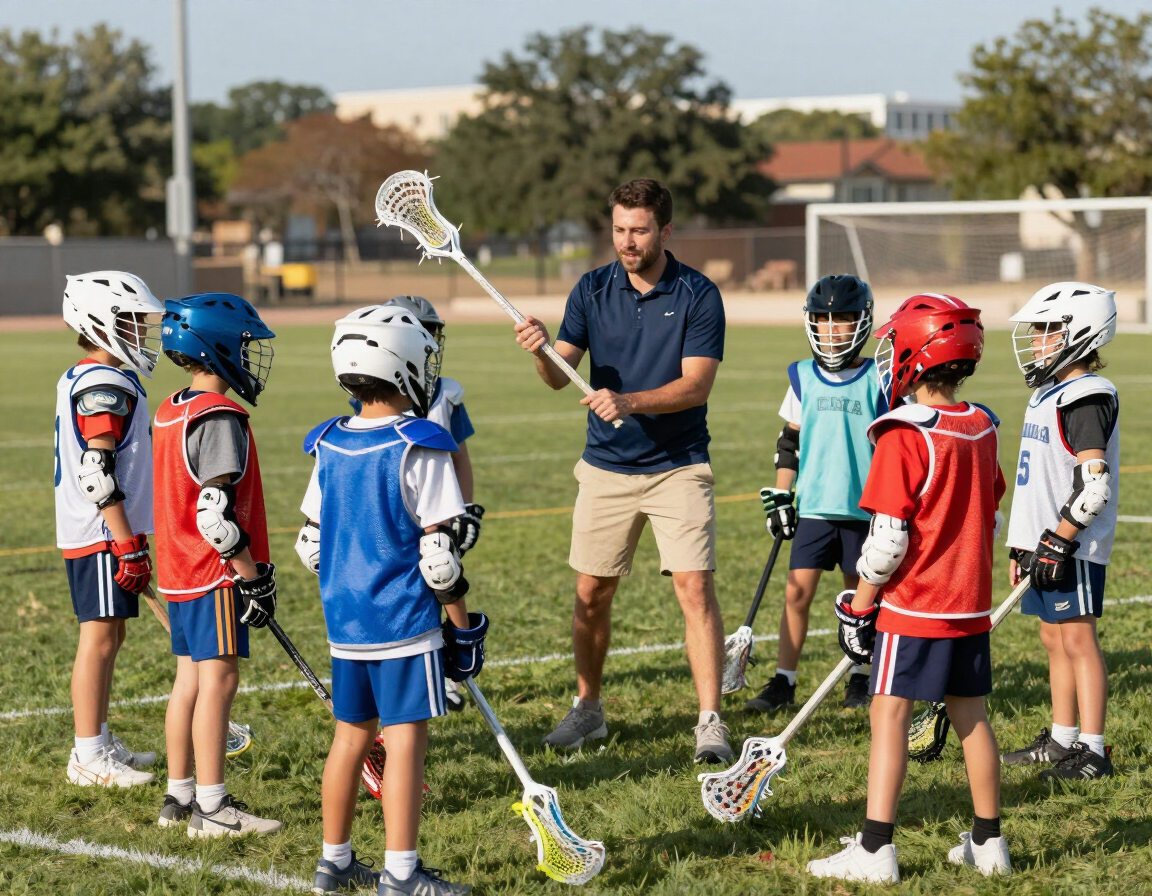
How do positions change for younger players?
Youth lacrosse often uses smaller teams, modified fields, and age-appropriate rules. These changes give children more touches, more chances to make decisions, and less time waiting at one end of a huge field. A K-2 player may rotate frequently, while an older youth player may begin learning more specific responsibilities.
That flexibility is healthy. Early lacrosse development should build:
- Catching and throwing with both hands
- Cradling and protecting the stick
- Dodging and changing direction
- Ground-ball technique
- Safe defensive positioning
- Communication and sportsmanship
A child does not need to master every position before playing. They need opportunities to practice, make mistakes, and discover what they enjoy.
Position skills that help every player
Although each role has special responsibilities, every lacrosse player benefits from the same foundation. Catching and throwing accurately helps attack players create chances, midfielders transition, defenders clear the ball, and goalies start possessions. Footwork helps everyone—including the person who claims they were “just standing there” after missing a ground ball.
Focus on these shared skills:
- Stick control: Practice cradling, switching hands, and protecting the head of the stick.
- Passing and catching: Start close, then increase distance and movement.
- Ground balls: Bend low, scoop through the ball, and accelerate away.
- Footwork: Learn to change direction while staying balanced.
- Communication: Use clear, positive calls such as “I’ve got ball” or “Here!”
Families can use our Schedules page to find practice and game information, then ask coaches which skills to practice at home.
Common questions about lacrosse positions
Can a beginner play any position?
Yes. Beginners should have a chance to learn multiple roles. Coaches can recommend a starting position while continuing to develop all-around skills.
Do girls’ and boys’ lacrosse positions differ?
The basic roles—attack, midfield, defense, and goalie—are similar, but rules, equipment, field dimensions, and tactics can differ by league and age. Check your program’s rules for specifics.
Is defense easier than attack?
No. Defense requires footwork, positioning, communication, timing, and decision-making. Every position has challenging skills and important responsibilities.
Does my child need to be fast to play midfield?
Speed helps, but endurance, awareness, passing, and effort matter too. Players can improve fitness gradually through age-appropriate practice.
How can my child try a position safely?
Ask the coach for a short rotation during practice. Use proper equipment, follow age-appropriate rules, and treat experimentation as part of learning—not an audition for a professional contract.
The best way to choose a lacrosse position
Lacrosse positions explained simply: attack creates scoring chances, midfield connects both ends of the field, defense protects the goal, and the goalie stops shots while directing the team. For K-8 players, rotating through roles is usually the best way to build skills and confidence. Watch what your child enjoys, ask coaches for guidance, and focus on steady improvement rather than choosing a permanent position too soon. To take the next step, review our Register page and explore a welcoming local lacrosse experience in North Austin and Round Rock.
Recent Posts