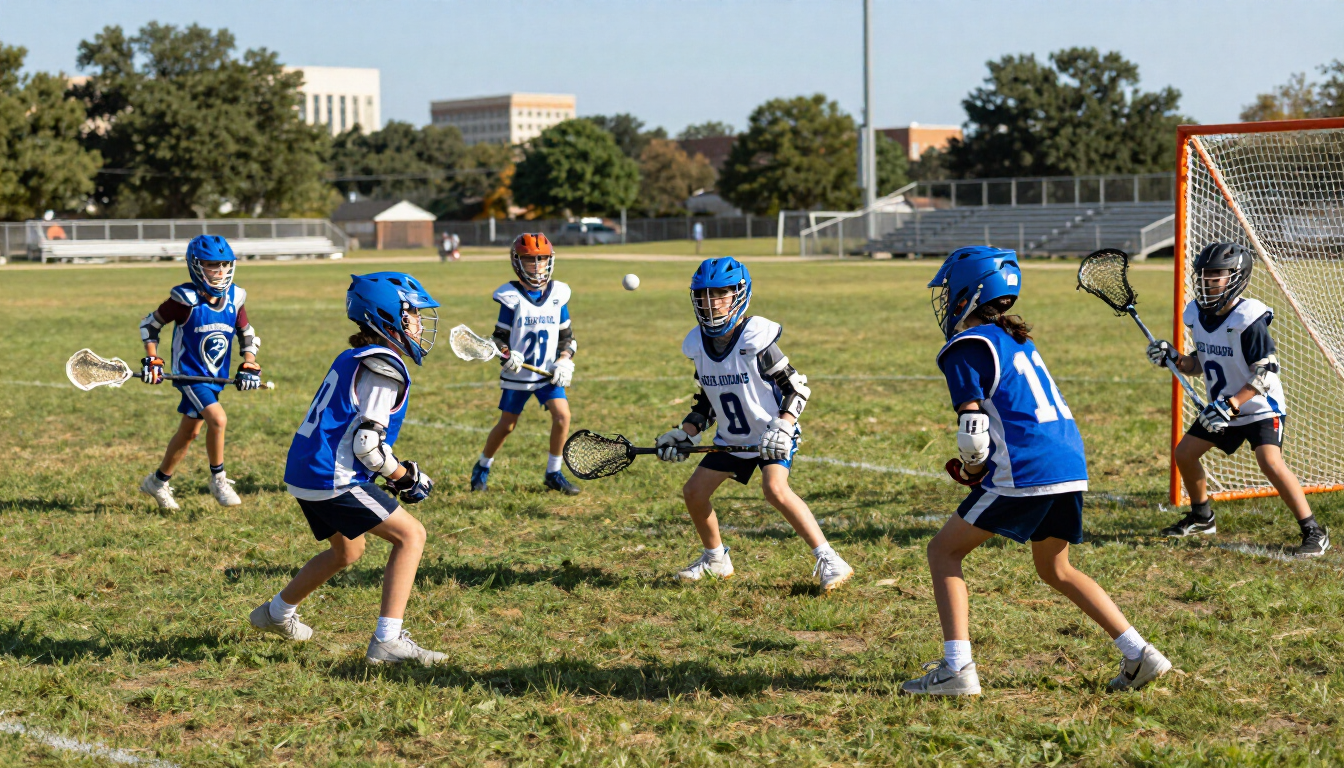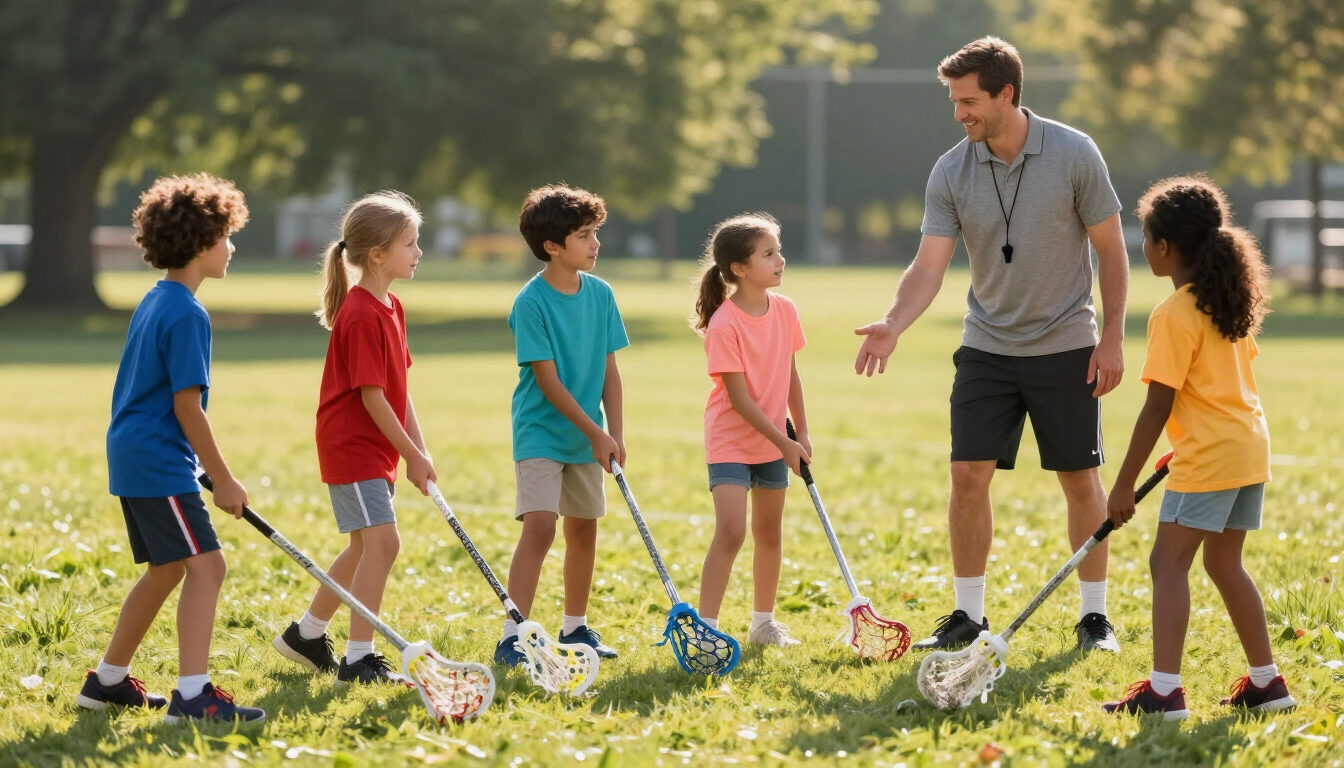


The history of lacrosse begins with Indigenous peoples of North America, who developed the game centuries ago for community, spiritual, physical, and diplomatic purposes. Over time, lacrosse evolved through cultural exchange, organized rules, schools, clubs, and international competition while retaining its roots as a fast, collaborative field sport.
Where did lacrosse begin?
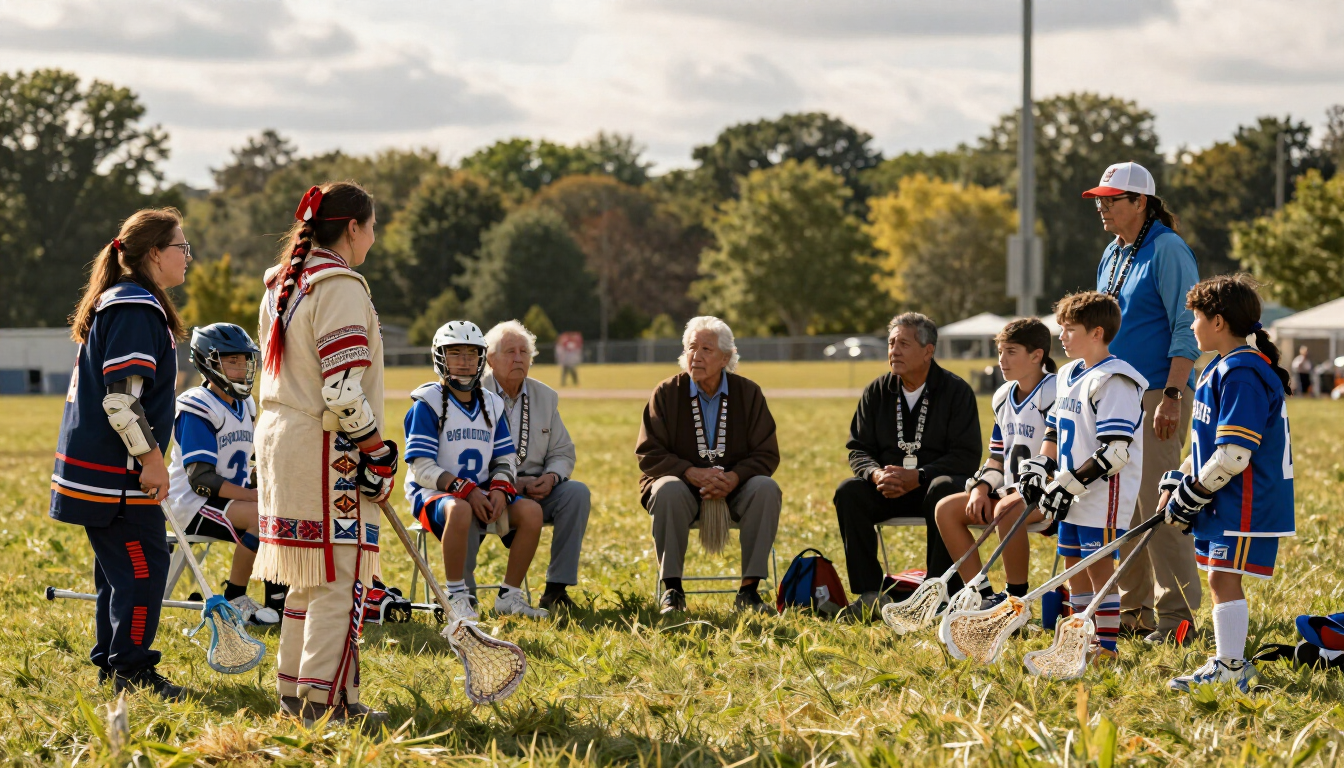
Lacrosse began among Indigenous nations across North America, particularly communities in the Great Lakes region and eastern woodlands. The game was not simply recreation. It could bring people together, prepare players for physical challenges, settle disagreements, honor traditions, and serve as a spiritual practice.
Different nations played variations of the game, so there was no single original rulebook. Games could involve large numbers of participants and take place across fields much larger than today’s playing surfaces. Sticks, goals, team sizes, and game length varied by community.
The name “lacrosse” came later. French settlers and missionaries reportedly compared the players’ sticks with a bishop’s crozier, or cross , and used a French term that eventually became “lacrosse.” Many Indigenous communities have their own names for the game, including terms that emphasize its importance as a gift, medicine, or cultural tradition.
Why was lacrosse important to Indigenous communities?
The early history of lacrosse reflects a game with meaning beyond competition. Players developed endurance, coordination, courage, communication, and teamwork. The sport could also connect generations: elders passed down knowledge, while young players learned responsibility and respect.
In some communities, games lasted for hours or days and included ceremonies before or after play. The outcome mattered, but the shared experience mattered too. This is an important part of understanding lacrosse today: its identity is not only about scoring goals. It is also about community, wellness, heritage, and belonging.
Families introducing children to lacrosse can help preserve that broader perspective by teaching both the skills and the story behind the sport. The Rules page can provide a helpful next step for learning how modern games are organized.
How did lacrosse become an organized modern sport?
European observers began documenting Indigenous lacrosse in the 1600s and 1700s. As the sport spread, settlers and clubs adapted it into more formal versions. In the 1800s, organized teams formed in Canada, and written rules made games more consistent.
William George Beers, a Canadian dentist and athlete, helped establish standardized rules in the 1860s. These changes included limits on team size, field dimensions, equipment, and game duration. The modern sport still changed over time, but formal rules made it easier for schools, clubs, and communities to compete against one another.
Lacrosse became Canada’s national summer sport in 1859. It later developed into several formats:
- Field lacrosse: Played outdoors with larger teams and a bigger field.
- Box lacrosse: Played indoors on a smaller surface, often with faster transitions and more physical play.
- Women’s lacrosse: Traditionally used different contact rules and equipment, though the modern game continues to evolve.
- Youth lacrosse: Adapted for age, size, safety, and skill development.
These formats share the same basic foundation: players use sticks with mesh pockets to pass, catch, carry, and shoot a ball into a goal.
Lacrosse milestones at a glance
The sport’s growth can be understood through a few important moments:
- Before European contact: Indigenous nations played diverse forms of the game for cultural, spiritual, social, and physical purposes.
- 1600s–1800s: European observers recorded the sport, and organized clubs began adapting it.
- 1860s: Standardized Canadian rules helped establish a more consistent modern game.
- 1904 and 1908: Men’s lacrosse appeared in the Olympic Games as a medal sport.
- Today: Lacrosse is played in schools, clubs, communities, and international competitions around the world.
The sport’s Olympic history has had several chapters. Lacrosse appeared at the 1904 and 1908 Games, and demonstration events were held in later Olympic years. Sixes, a faster six-a-side format, has helped the sport reach new audiences and support international growth.
How has lacrosse changed over time?
Lacrosse has changed in equipment, field design, rules, safety standards, and accessibility. Early sticks were made from carefully shaped wood, while modern sticks commonly use molded heads, synthetic shafts, and engineered mesh. Protective equipment has also improved, especially in versions that allow body contact.
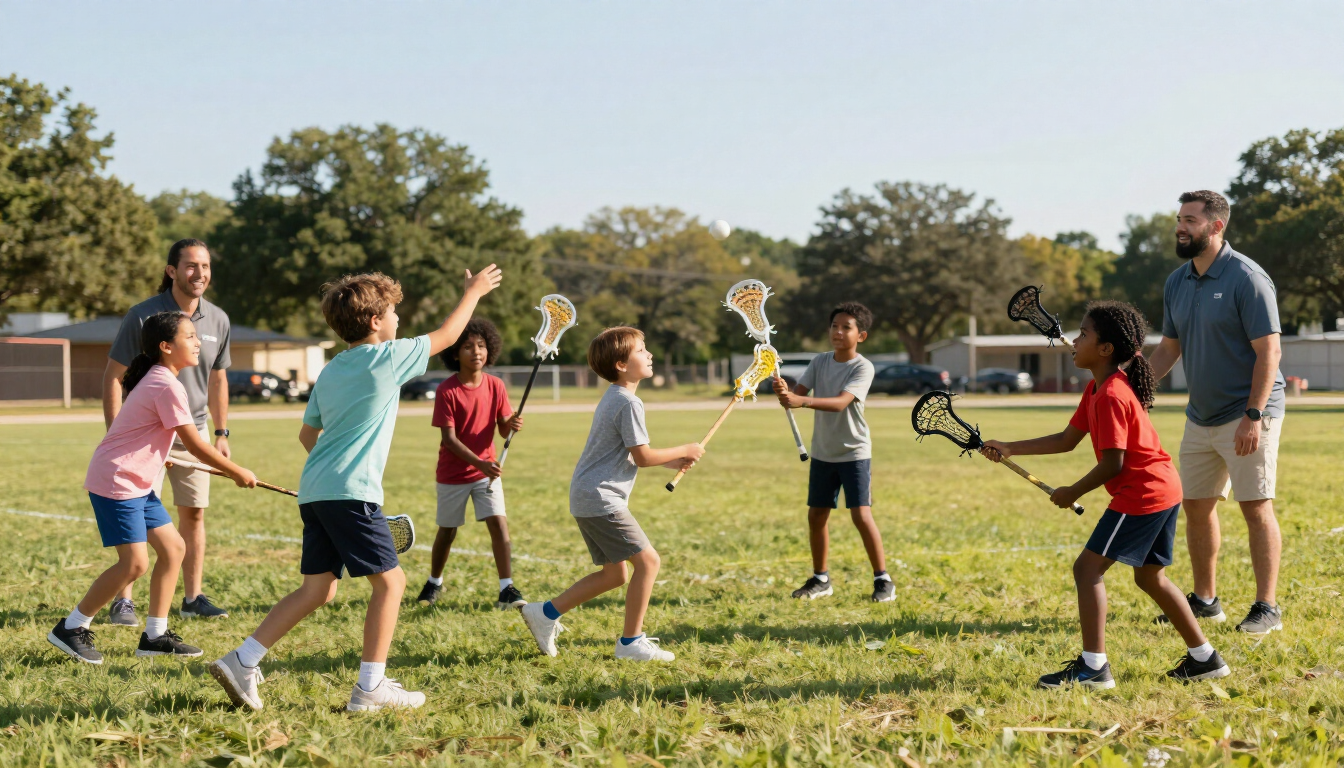
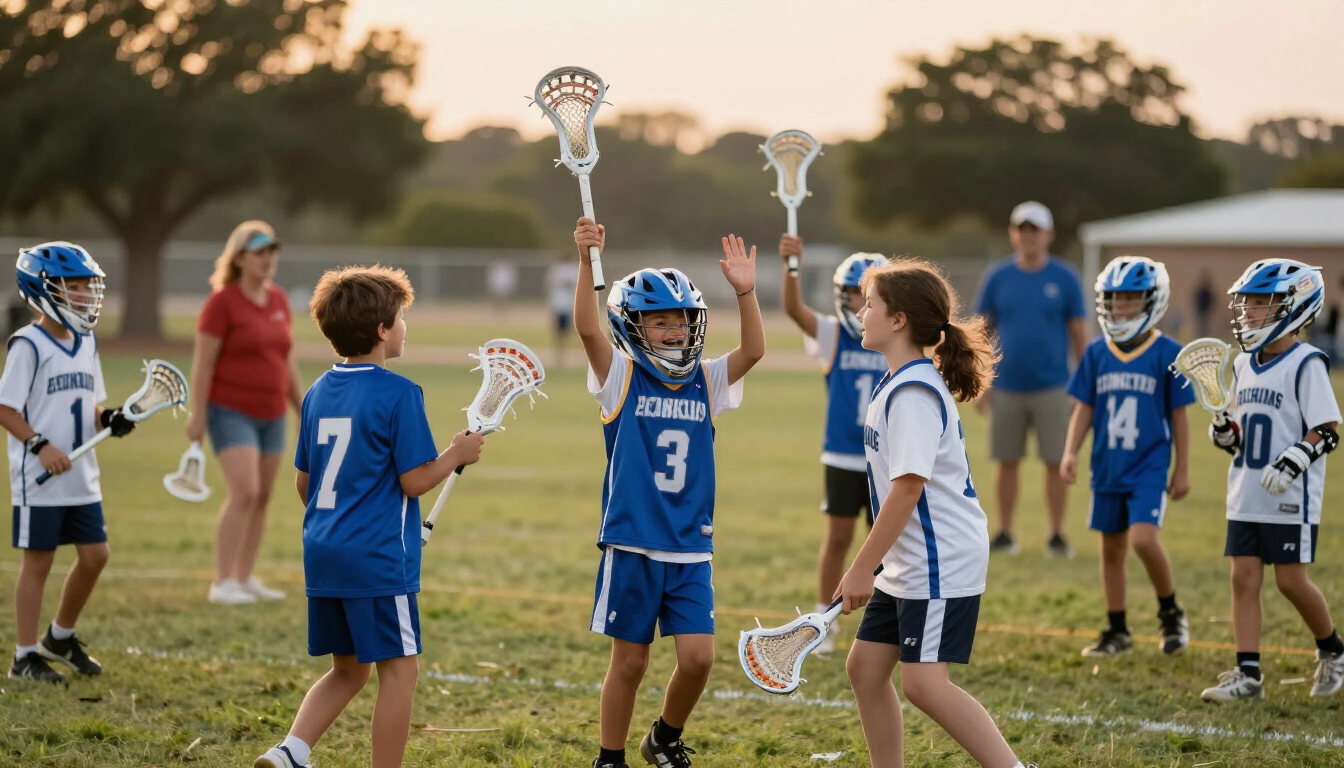
The sport has become more structured for children. Youth programs often use smaller fields, shorter games, modified sticks, age-appropriate rules, and skill-based coaching. These changes help young players learn safely without losing the passing, movement, and creativity that make lacrosse distinctive.
Modern programs also place greater emphasis on inclusion. Girls and boys, beginners and experienced athletes, and families from many backgrounds can find ways to participate. For families in North Austin and Round Rock, checking local Schedules , Facilities , and Register information can make the first step easier.
What should kids know about the history of lacrosse?
Kids do not need to memorize every date to understand the sport’s significance. A few ideas provide a strong foundation:
- Lacrosse was created and developed by Indigenous peoples of North America.
- The original game had cultural and spiritual importance.
- Different communities played different versions.
- Modern rules and equipment developed gradually.
- Today’s players share responsibility for respecting the sport’s heritage.
A good youth lesson can connect history to action. Before practice, coaches might explain why passing and teamwork matter. During drills, they can encourage communication and respect. After a game, players can reflect on how cooperation helped the team succeed.
That approach makes the history of lacrosse relevant rather than distant. Children learn that sports are shaped by people, communities, and values—not just rules and statistics.
Lacrosse’s Olympic future
Lacrosse is returning to the Olympic spotlight at the Los Angeles 2028 Olympic Games through the sixes format. Sixes uses smaller teams, a compact field, and a quick pace designed to create continuous action. Its Olympic return offers an opportunity for more families to discover the sport and for existing players to see a possible international pathway.
For local youth programs, the Olympic connection can be a useful source of excitement, but participation does not require elite ambitions. Lacrosse can help children build fitness, confidence, friendships, and a lasting connection to their community. The best introduction is welcoming, age-appropriate, and focused on fun.
Frequently asked questions
Who invented lacrosse?
No single person invented lacrosse. Indigenous peoples of North America developed many forms of the game over centuries. Modern organizers later created standardized rules and club structures.
Is lacrosse a Native American sport?
Yes. Lacrosse originated with Indigenous peoples of North America and remains an important part of Indigenous culture and identity. Modern players should learn and respect those origins.
When did lacrosse become popular?
Lacrosse became more formally organized during the 1800s, especially in Canada. It later spread through schools, clubs, universities, and international competition.
Is lacrosse hard for children to learn?
Most children can begin with basic catching, throwing, scooping, running, and teamwork skills. Youth formats and supportive coaching make the sport approachable for beginners.
What families can take away
The history of lacrosse is the story of an Indigenous North American game that became a modern international sport without losing its foundation in community and teamwork. Its rules, equipment, and formats have evolved, and its Olympic return in 2028 may introduce it to even more families. If your child is curious, start with a welcoming local program, learn the basic rules, and focus on enjoyment and steady skill development. Explore the Home page or About page to learn more about local opportunities.
Recent Posts